
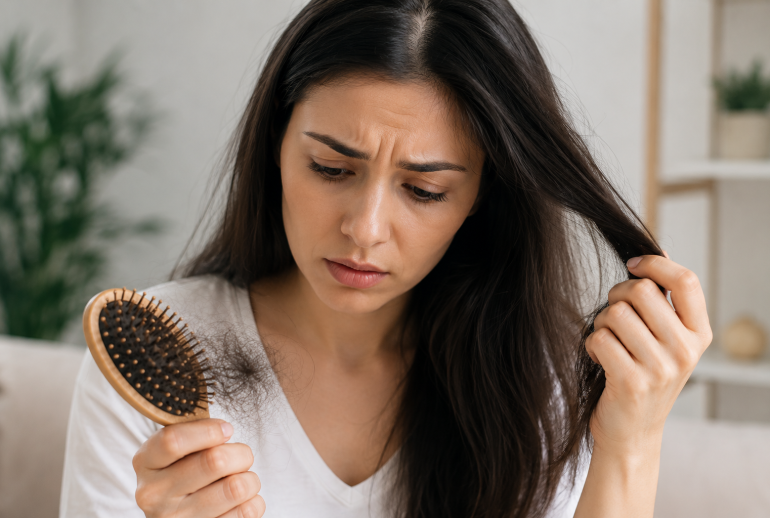
Why Is My Hair Falling Out? 12 Real Causes Explained by Science

12 reason for hair loss

You notice it first in the shower. Then on your pillow. Then on your hairbrush, your clothes, your bathroom floor. Hair falling out is one of the most unsettling things the body does, in part because it happens visibly, daily, and without obvious warning. It feels personal in a way that a sore knee or a runny nose simply doesn’t.

Here’s the thing: some hair loss is entirely normal. Every single person on the planet sheds between 50 and 150 hairs a day as part of the hair’s natural cycle. The problem isn’t shedding — it’s when the amount of shedding increases, when regrowth slows or stops, or when the cause is something that needs medical attention.

In the US alone, androgenetic alopecia — the most common form of hair loss — affects an estimated 50 million men and 30 million women. But that is only one type. Hair loss has more than a dozen distinct causes, and many people are dealing with more than one simultaneously. The reason so many people spend years treating the wrong thing is that they never identified the right cause in the first place.

This article walks you through all 12 scientifically established causes of hair loss, what makes each one different, and what to do about each. By the end, you will have a much clearer picture of what is happening on your scalp — and a concrete plan for what to do next.

First: How Much Hair Loss Is Actually Normal?

Before we get into the causes, let’s set a baseline, because anxiety about hair loss often comes from not knowing what normal looks like.

Your scalp houses approximately 80,000 to 120,000 hairs, and the vast majority of them are actively growing at any given moment. As part of the hair’s natural cycle, a proportion of hairs will enter a resting phase and eventually shed — this is completely healthy and necessary. The number that falls out daily varies from person to person but generally sits between 50 and 150 strands. On days when you wash your hair, you may see more because washing dislodges hairs that were already in the shedding phase.

So when should you be concerned? Warning signs that warrant investigation include:

  • Noticeably more hair in the drain, on your brush, or on your pillow than usual — especially if this has continued for several weeks
  • Visible thinning at the crown, temples, or part line
  • Patches of sudden, patchy hair loss
  • A receding hairline that is visibly changing over months
  • Hair shedding accompanied by scalp symptoms like itching, burning, or tenderness

If you’re experiencing any of these, read on — one or more of the following causes is likely at play.

Cause 1: Genetics (Androgenetic Alopecia)

This is the most common cause of hair loss in both men and women globally, and the one most people think of when they picture “going bald.” Androgenetic alopecia — also called pattern hair loss or pattern baldness — is a hereditary condition driven by a combination of genetics and the hormone DHT (dihydrotestosterone).

In men, it typically appears as a receding hairline at the temples, thinning at the crown, or both. In women, the pattern is different: rather than a receding hairline, women usually experience a widening centre parting and diffuse thinning across the top of the scalp, while the frontal hairline is generally preserved.

The mechanism behind it involves DHT binding to receptors in genetically susceptible follicles. Over time, this causes the follicle to miniaturise — each new hair it produces is finer and shorter than the last, until eventually the follicle stops producing visible hair altogether.

One important point that surprises many people: the gene for pattern hair loss can be inherited from either parent. The old belief that you only need to look at your mother’s father to predict your chances is a myth. Research shows the genetics are complex and polygenic, meaning dozens of genes contribute to your risk.

What to do: Androgenetic alopecia can be slowed and managed but not reversed by lifestyle changes alone. The most evidence-backed treatments are minoxidil (topical or oral), finasteride (for men), and, increasingly, low-level laser therapy. The earlier you start treatment, the more follicle function you preserve.

Cause 2: Chronic and Acute Stress

There is a reason people say they are “pulling their hair out” from stress — the connection between psychological stress and hair loss is real, well-documented, and now better understood than ever before.

In late 2025, researchers at Harvard University published a landmark paper in the journal Cell that revealed exactly how stress damages hair follicles at the molecular level. The study showed that under stress, hyperactivated sympathetic nerves release excessive norepinephrine — the fight-or-flight neurotransmitter — which causes necrosis in the rapidly dividing transit-amplifying cells within hair follicles, while leaving most hair follicle stem cells intact.

The lead researcher, Professor Ya-Chieh Hsu of the Harvard Stem Cell Institute, explained that this immediate hair loss is followed by a secondary reaction: following the release of norepinephrine, the body perceives inflamed or necrotic tissue as a hostile invader, triggering a cascade of immune reactions that activate autoreactive CD8+ T cells. These are immune cells that, under normal circumstances, protect healthy cells. Under severe stress, they can mistakenly begin attacking hair follicles.

This two-stage process explains both why stress can cause temporary shedding that recovers, and why in some cases a severe stressor can trigger a longer-lasting immune response that is harder to reverse.

The most common stress-related hair loss condition is telogen effluvium — discussed in more detail in Cause 3 below. But chronic, ongoing stress also suppresses hair growth more gradually by elevating cortisol, which keeps follicle stem cells in a prolonged resting phase.

What to do: Stress management is not a soft recommendation — it is medically relevant for hair health. Exercise, adequate sleep, and evidence-based stress reduction practices (such as cognitive behavioural therapy, mindfulness, or structured relaxation) all help reduce the cortisol and sympathetic nervous system activity that suppresses hair growth. If acute stress has triggered a shedding episode, most people see recovery within three to six months once the stressor resolves.

Cause 3: Telogen Effluvium (Sudden Increased Shedding)

Telogen effluvium is not a disease in itself — it is a pattern of hair loss that occurs when a significant physical or emotional event pushes a large number of follicles out of the active growth phase (anagen) and into the resting phase (telogen) simultaneously. When those resting hairs all shed at once, the result can be alarming: handfuls of hair in the shower, a dramatically full drain, hair coming out in large clumps on the brush.

The classic feature of telogen effluvium — and the reason it so often goes undiagnosed — is its timing. The shedding typically begins two to three months after the triggering event, not immediately. This delay is built into the biology: the follicles need to complete the telogen phase before the hairs fall out, which takes roughly two to four months.

Common triggers include:

  • Childbirth (postpartum hair loss is a form of telogen effluvium)
  • Major illness or surgery
  • High fever
  • Rapid or extreme weight loss
  • Crash dieting or severely restricted eating
  • Severe psychological stress or grief
  • Nutritional deficiencies (particularly iron and protein)
  • Starting or stopping certain medications
  • COVID-19 infection (post-COVID hair loss has been widely reported and follows this exact mechanism)

In most cases, telogen effluvium is self-limiting. Once the triggering event resolves and the body recovers, the hair cycle normalises and hair grows back over the following months. However, if the underlying trigger is not addressed — for example, if an iron deficiency is not corrected — the shedding can become chronic.

What to do: Identify the trigger. If you can pinpoint a stressful event, illness, or dietary change that happened two to three months before the shedding began, you have likely found the cause. Address it directly and allow time for recovery. If you cannot identify a trigger or the shedding continues beyond six months, a blood panel (including ferritin, vitamin D, thyroid function, and zinc) and a dermatologist consultation are the next steps.

Cause 4: Hormonal Changes and Imbalances

Hormones are among the most powerful regulators of the hair growth cycle, which is why hormonal fluctuations — whether natural or caused by a medical condition — so frequently affect hair.

Pregnancy: During pregnancy, elevated oestrogen prolongs the anagen (growth) phase, causing hair to appear fuller and thicker. After delivery, oestrogen drops sharply and all that extra hair the body has been holding onto enters the shedding phase at once. This postpartum shedding typically begins three to six months after birth and can feel extreme, though it is entirely normal and temporary in the vast majority of cases.

Menopause: As oestrogen and progesterone decline during perimenopause and menopause, the balance between these hormones and androgens shifts. This can trigger diffuse hair thinning, particularly across the top of the scalp and crown — a pattern similar to androgenetic alopecia. Women who are predisposed to pattern hair loss often see it accelerate significantly in the years around menopause.

PCOS (Polycystic Ovary Syndrome): PCOS causes elevated androgens in women, including DHT, which can lead to pattern-type hair thinning on the scalp combined with unwanted facial or body hair growth. Hair loss is one of the most common and distressing symptoms of PCOS.

Thyroid disorders: Both an underactive thyroid (hypothyroidism) and an overactive thyroid (hyperthyroidism) can cause diffuse hair thinning and shedding. The thyroid gland regulates many of the metabolic processes that keep follicles functioning, so when it is disrupted, hair health deteriorates quickly. Importantly, thyroid-related hair loss responds well to treatment once thyroid function is properly regulated.

What to do: If you suspect hormonal involvement, blood testing is essential. Ask your doctor for a panel that includes thyroid function (TSH, T3, T4), sex hormones (including testosterone and DHEA-S for women), oestrogen, and progesterone. Treating the underlying hormonal condition is the most direct route to hair recovery.

Cause 5: Nutritional Deficiencies

Your hair follicles are among the most metabolically active tissues in the body. They require a constant supply of nutrients to maintain their rapid cell division and keratin production. When the diet is insufficient — either in total calories or in specific nutrients — the body begins rationing. Hair growth, being non-essential to survival, is one of the first things to be deprioritised.

The nutrients most strongly linked to hair loss through deficiency are:

Iron and ferritin: Iron deficiency is the single most common nutritional cause of hair loss, particularly in women of reproductive age. It is important to distinguish between iron and ferritin: ferritin is the stored form of iron, and research suggests that optimal hair growth requires ferritin levels of at least 70 ng/mL — significantly higher than what many laboratories flag as “normal” (which can be as low as 15 ng/mL). Many people shed hair with ferritin levels that appear fine on a routine blood test. Request a specific ferritin measurement if you suspect iron is involved.

Vitamin D: Vitamin D receptors are found in hair follicles, and deficiency is strongly associated with alopecia areata and other forms of hair shedding. This is a widespread deficiency across the UK, Northern Europe, Canada, and much of the US during winter months.

Zinc: Zinc plays a role in keratin synthesis and follicle repair. Deficiency can cause shedding; however, supplementing without a confirmed deficiency can cause its own problems by disrupting copper balance.

Protein: Hair is made almost entirely of keratin, a protein. Severe protein restriction — common in crash diets, extreme caloric restriction, and certain eating disorders — deprives the body of the raw material it needs to build hair shafts, leading to shedding and thinning within weeks.

What to do: Before spending money on supplements, get a proper blood panel. Targeted supplementation based on confirmed deficiencies is far more effective — and safer — than taking a general hair vitamin and hoping for the best.

Cause 6: Thyroid Disease

Because thyroid-related hair loss overlaps with hormonal causes, it deserves its own entry. Both hypothyroidism and hyperthyroidism cause diffuse hair thinning and shedding, but they do so through different mechanisms.

In hypothyroidism (underactive thyroid), the reduced metabolic rate slows cell division throughout the body — including in hair follicles. Hair enters the resting phase more quickly, grows more slowly, and often becomes dry and brittle before shedding increases.

In hyperthyroidism (overactive thyroid), the accelerated metabolism disrupts the synchrony of the hair cycle, causing more follicles to shift to the resting phase simultaneously.

Crucially, thyroid-related hair loss is one of the most treatable causes. Once thyroid hormone levels are properly managed with medication, hair growth typically resumes — though it can take six to twelve months for visible improvement.

What to do: A standard thyroid panel (TSH, free T3, and free T4) is a routine blood test available from any GP. If hair loss is unexplained and diffuse, this is one of the first things to rule out.

Cause 7: Alopecia Areata (Autoimmune Hair Loss)

Alopecia areata is a fundamentally different type of hair loss from the causes listed above. It is an autoimmune condition in which the immune system mistakenly identifies hair follicles as foreign tissue and attacks them, causing the hair to fall out in distinct round or oval patches.

Alopecia areata affects approximately 2% of the general population during their lifetime and can affect children and adults of all ages, races, and genders, though it is somewhat more common in females and non-white individuals, particularly Asians.

The hair loss in alopecia areata is non-scarring, which means the follicles are not permanently destroyed — they are simply dormant due to immune attack. This is why spontaneous regrowth is possible, and why treatments that modulate the immune response can be effective.

The condition exists on a spectrum of severity. Some people experience one or two small patches that regrow on their own within months. Others progress to alopecia totalis (total scalp hair loss) or alopecia universalis (loss of all body hair), which are more severe and harder to treat.

There is a clear genetic component, and alopecia areata frequently co-occurs with other autoimmune conditions including thyroid disease, vitiligo, rheumatoid arthritis, and atopic dermatitis. Stress is known to trigger flares.

What to do: Alopecia areata is definitively diagnosed by a dermatologist, often with trichoscopy (a specialised scalp examination) and sometimes a scalp biopsy. Treatments include corticosteroid injections, topical immunotherapy, and — since 2022 — a new class of drugs called JAK inhibitors (such as baricitinib and ritlecitinib), which represent a significant advance in alopecia areata treatment and have shown strong results in clinical trials.

Cause 8: Scalp Conditions and Infections

The scalp is skin, and skin conditions that affect it can directly impair follicle function and trigger hair shedding. Several common scalp issues are directly linked to hair loss:

Seborrheic dermatitis: This is the medical name for what many people call severe dandruff. It involves inflammation of the scalp caused by an overgrowth of a naturally occurring yeast called Malassezia. The chronic inflammation it creates can disrupt the hair growth cycle, and the frequent, intense scratching it provokes can physically damage follicles and cause shedding. Treating seborrheic dermatitis effectively — with antifungal shampoos containing ketoconazole or selenium sulphide, and sometimes topical steroids — typically reduces associated hair shedding as well.

Ringworm (tinea capitis): Despite its name, ringworm is a fungal infection, not a parasitic one. On the scalp, it causes circular bald patches that are scaly, red, and sometimes blistered. The fungus invades the hair shaft itself, causing hairs to break off close to the scalp. It is more common in children but can affect adults, and it requires antifungal medication rather than topical shampoo alone.

Scalp psoriasis: Psoriasis affecting the scalp can cause thick, silvery scaling and inflammation. When severe, this inflammation can interfere with follicle function. Distinguishing scalp psoriasis from dandruff requires a clinical assessment, as the treatments differ significantly.

What to do: If your hair loss is accompanied by scalp symptoms — itching, flaking, redness, tenderness, or visible lesions — see a dermatologist. A scalp condition driving the loss will not respond to hair growth treatments alone.

Cause 9: Medications

Drug-induced hair loss is significantly more common than most people realise, and it is frequently missed because the hair loss typically begins two to four months after starting the medication — long enough that the connection is not obvious.

Medications can trigger hair loss through two primary mechanisms: telogen effluvium, the most common type, causes hair follicles to prematurely enter their resting phase and fall out within two to four months of starting the drug; and anagen effluvium, which affects the active growth phase and develops much more rapidly — within days to weeks — by preventing hair matrix cells from dividing normally.

Drug classes commonly associated with hair loss include:

  • Chemotherapy agents — the most recognised cause; they target all rapidly dividing cells, including those in hair follicles, causing the dramatic anagen effluvium associated with cancer treatment
  • Blood pressure medications — particularly beta-blockers
  • Blood thinners — anticoagulants like warfarin and heparin
  • Antidepressants — particularly SSRIs and tricyclics
  • Anticonvulsants — especially valproic acid
  • Hormonal contraceptives — certain oral contraceptives with androgenic progestins can trigger or accelerate pattern hair loss in predisposed women
  • Retinoids (high-dose vitamin A) — including isotretinoin (Accutane)
  • Some diabetes medications and certain biologic therapies

The good news is that in most cases of drug-induced hair loss, it is reversible once you stop taking the drug.

What to do: If your hair loss started or worsened two to four months after beginning a new medication, medication could be the culprit. Do not stop any prescribed medication without medical advice. Speak to your prescribing doctor about alternatives or dose adjustments, and note that regrowth typically begins a few months after the causative drug is discontinued.

Cause 10: Traction and Physical Damage

Hair loss caused by mechanical force is known as traction alopecia, and it is almost entirely preventable once you understand what is causing it.

When hair is repeatedly pulled under tension — through tight ponytails, braids, buns, cornrows, weaves, extensions, or hair extensions with bonds — the constant stress on the follicle damages it progressively. Initially the damage causes temporary shedding at the hairline, temples, or nape. Over time, if the tension continues, the follicle itself can be permanently damaged, resulting in scarring and irreversible bald patches.

The early signs of traction alopecia are easy to miss or dismiss: small pimples or bumps at the hairline, scaling, a receding or thinning hairline along the forehead or temples, or a visible break in hair density where tight styles typically anchor.

Traction alopecia is particularly prevalent among women who regularly wear tight braids, locs, extensions, or weaves, and has been recognised as one of the leading preventable causes of hair loss in these communities.

Heat damage is a separate but related category. Repeated use of high-heat styling tools — straighteners, curling irons, blow dryers at high settings — does not directly cause follicle damage (the follicle sits below the scalp and is not affected by surface heat). However, heat causes significant damage to the hair shaft itself, leading to brittleness, splitting, and breakage that can mimic the appearance of hair loss, particularly around the hairline and ends.

What to do: Give tight hairstyles regular breaks. Alternate with looser styles that reduce tension on the hairline. If you wear extensions, ensure they are applied at a tension that does not pull on the scalp. Limit heat tool use and always use heat protectant when styling.

Cause 11: Medical Conditions Beyond the Thyroid

Several systemic health conditions can cause hair loss as a secondary symptom, often because they disrupt the body’s nutritional status, immune function, or hormone balance.

Lupus: Systemic lupus erythematosus (SLE) can cause diffuse hair shedding through the disease’s generalised inflammation and immune dysregulation. Discoid lupus, which directly affects the skin, can cause scarring hair loss on the scalp.

Anaemia: Low red blood cell count — whether caused by iron deficiency, vitamin B12 deficiency, or other causes — reduces the oxygen available to follicles, impairing their function.

Diabetes: Poorly controlled blood sugar damages blood vessels throughout the body, including those supplying hair follicles. Reduced circulation to the scalp impairs follicle nutrition and can cause shedding.

Inflammatory bowel disease: Conditions like Crohn’s disease and ulcerative colitis can impair nutrient absorption, particularly iron and zinc, leading to deficiency-related hair loss even when dietary intake is adequate.

Eating disorders: Anorexia nervosa and bulimia nervosa are well-established causes of diffuse hair thinning and shedding, driven by protein and caloric restriction and secondary nutrient deficiencies.

What to do: If your hair loss is accompanied by other health symptoms — fatigue, joint pain, changes in digestion, skin changes — it may be a signal of an underlying systemic condition. A GP assessment covering blood count, inflammatory markers, thyroid function, and metabolic panel is a reasonable starting point.

Cause 12: Age-Related Hair Changes

Even in the absence of any specific disease, hormonal condition, or nutritional deficiency, hair naturally changes with age. This is not hair loss in the pathological sense — it is a normal part of ageing — but it is worth understanding so it does not cause unnecessary alarm.

As the body ages, the hair growth cycle gradually slows. The anagen (growth) phase shortens, meaning each hair spends less time actively growing and produces a shorter, finer shaft before entering the resting phase. Follicle density also naturally decreases — you will typically have fewer actively producing follicles at 60 than you did at 30, even with no disease involved.

Scalp oil production also declines with age, which can make hair appear drier and more prone to breakage. These changes are gradual and cumulative, and they are often compounded by the hormonal shifts of perimenopause and menopause in women, or the slowly declining testosterone levels in men over 50.

What to do: Support age-related hair changes with good nutrition, a consistent gentle hair care routine, scalp health practices (massage, appropriate cleansing), and regular check-ins with a GP to ensure underlying health is optimised. Products formulated for ageing hair — particularly those focused on moisture, protein balance, and scalp circulation — can help maintain the appearance of volume and thickness.

How to Figure Out Which Cause Applies to You

One of the most important things to understand about hair loss is that multiple causes can coexist, and identifying the right one (or the right combination) is what makes the difference between effective treatment and wasted time.

Here is a practical framework for working through this:

Step 1: Think in timelines. Did the shedding start suddenly or gradually? Did anything significant happen two to three months before it began — an illness, a stressful event, a change in medication, a crash diet? Sudden, significant shedding with a clear two-to-three-month delay points toward telogen effluvium. Gradual, progressive thinning at specific locations points toward androgenetic alopecia or hormonal causes.

Step 2: Look at the pattern. Where is the hair thinning? A widening part in women and thinning crown in men suggests androgenetic alopecia. Discrete, round patches suggest alopecia areata. Hairline recession particularly at the temples and nape suggests traction alopecia. Diffuse, all-over thinning across the whole scalp suggests a systemic cause — hormones, nutrition, or medications.

Step 3: Get tested. Many of the most common and correctable causes of hair loss — iron deficiency, vitamin D deficiency, thyroid dysfunction, and hormonal imbalances — are invisible to the naked eye and only identifiable through blood tests. A comprehensive hair loss blood panel should include: full blood count, ferritin (not just serum iron), vitamin D, thyroid panel (TSH, free T3, free T4), zinc, and for women, hormone levels including testosterone and DHEA-S.

Step 4: See a specialist if needed. A dermatologist with trichology experience or a consultant trichologist can perform a clinical scalp examination, trichoscopy (a magnified examination of the scalp and follicles), and guide a targeted treatment plan. For complex or persistent hair loss, this step is not optional.

Common Myths About Hair Loss — Set Straight

“Wearing hats causes baldness.” It does not. Casual hat-wearing has no effect on follicle health. Extremely tight hats worn constantly could theoretically cause traction, but a normal hat is not a risk factor.

“Hair loss only affects men.” False. More than 50% of women will experience some form of noticeable hair loss in their lifetime. Female hair loss is simply less visible because the pattern differs from male pattern baldness.

“If hair falls out, the follicle is dead.” In most cases, it is not. The majority of hair loss conditions — including telogen effluvium, alopecia areata, traction alopecia, and nutritional deficiency — involve dormant follicles, not destroyed ones. When the underlying cause is treated, regrowth is possible.

“Stress only causes minor, temporary shedding.” New research from Harvard (published in Cell, 2025) shows that severe acute stress can trigger a secondary autoimmune cascade that attacks follicles — potentially causing longer-lasting damage than previously understood. Chronic stress is also a sustained suppressor of hair growth through cortisol elevation.

“If you’re young, you don’t need to worry about hair loss.” Androgenetic alopecia can begin in the late teens or early twenties. Alopecia areata is most common in people in their twenties and thirties. Telogen effluvium can happen at any age. Hair loss is not exclusively a middle-age or older-age concern.

FAQ

Q: Is it normal to lose a lot of hair when washing it? A: Yes, within limits. You may see more hair in the shower drain than on a dry day because washing dislodges hairs that are already in the shedding phase. Losing 50–150 hairs during a wash is normal. If you are seeing clumps, or noticeably more than usual consistently, that warrants attention.

Q: Can hair grow back after it falls out? A: In most cases, yes — if the follicle is not permanently damaged. The conditions most likely to cause permanent loss are scarring alopecias (such as lichen planopilaris or folliculitis decalvans) and very long-standing traction alopecia. The vast majority of hair loss conditions involve dormant, not dead, follicles.

Q: How long does it take for hair to grow back after shedding? A: Because of the hair growth cycle, visible regrowth typically takes at least three to four months after the cause has been addressed. Full recovery from a significant telogen effluvium episode can take six to twelve months. Patience is genuinely non-negotiable here.

Q: Should I take biotin for hair loss? A: Only if you have a confirmed biotin deficiency, which is rare. Biotin supplementation in people with adequate levels does not prevent or reverse hair loss, and high doses can interfere with laboratory test results — including thyroid tests — causing dangerous inaccuracies. The nutrients with stronger evidence for hair health are iron, vitamin D, and adequate dietary protein.

Q: When should I see a doctor about hair loss? A: Seek professional advice if: shedding is notably heavier than your personal baseline and has continued for more than six weeks; you notice patches of baldness; your hairline is visibly receding; shedding is accompanied by scalp symptoms; or you have already addressed obvious lifestyle factors without improvement. Hair loss that is caught and treated early generally responds far better than hair loss that has been progressing for years.

Q: Can hair loss be caused by too much styling? A: Chemical processes (bleaching, perming, relaxing) and aggressive heat can damage the hair shaft significantly, causing breakage that mimics the appearance of hair loss. This is not the same as follicle-level hair loss — the root is intact and new hair will grow. However, severe traction from tight styling can eventually cause real follicle damage.

Q: My hair is falling out but I’m not stressed. Can stress still be the cause? A: The delay between a stressful event and hair shedding is typically two to three months. Many people do not connect their current shedding with something that happened weeks or months ago. It is also worth remembering that physical stressors — illness, surgery, rapid weight loss — trigger the same mechanism as psychological stress. The trigger does not have to feel emotionally stressful to have a biological stress effect on the follicles.

Conclusion: Key Takeaways

Hair loss is one of the most Googled health concerns in the world for good reason — it is common, it is distressing, and for most people, it is not straightforwardly explained. But the science is clear: almost every cause of hair loss is identifiable, and most are treatable or manageable when correctly diagnosed.

Here is what to carry forward:

  • Some daily shedding is normal. Fifty to 150 hairs a day is part of healthy hair cycling, not a cause for concern.
  • There are 12 distinct causes, ranging from genetics and hormones to nutrition, stress, medications, scalp conditions, and medical diseases. Many people are dealing with more than one simultaneously.
  • The two-to-three-month delay between trigger and shedding in telogen effluvium means the cause of your current hair loss may already be in your past. Think backwards from when the shedding started.
  • Blood testing is essential for ruling out the most common correctable causes: low ferritin, low vitamin D, and thyroid dysfunction. These are frequently missed without specific testing.
  • Follicles are not dead. In most types of hair loss, they are dormant. Treating the underlying cause gives them the opportunity to become active again.
  • Time is the enemy. The earlier any cause of hair loss is identified and addressed, the better the outcome. If you have concerns, act on them rather than waiting to see if it gets better on its own.

If you are losing hair and do not know why, the most useful thing you can do today is book a blood test and document your timeline. Knowledge is the foundation of every effective treatment plan.

FAQ for Featured Snippets and People Also Ask

Why is my hair suddenly falling out more than usual? Sudden increased hair shedding is most commonly caused by telogen effluvium — a condition triggered by stress, illness, childbirth, rapid weight loss, or nutritional deficiency that pushes a large number of hair follicles into the resting phase simultaneously. The shedding typically begins two to three months after the triggering event. Other common causes include hormonal changes, thyroid dysfunction, iron deficiency, and new medications.

What deficiency causes hair loss? Iron deficiency (specifically low ferritin) is the most common nutritional cause of hair loss. Vitamin D deficiency, zinc deficiency, and severe protein insufficiency are also established causes. Getting a blood panel before supplementing is recommended, as the nutrients you are actually deficient in — not the ones most heavily marketed — are what will make a difference.

Can hair loss be reversed? In most cases, yes — provided the underlying cause is treated and the follicles have not been permanently scarred. Conditions like androgenetic alopecia can be slowed and managed; telogen effluvium and nutritional deficiency hair loss often fully recover; alopecia areata can go into remission; and traction alopecia reverses if tension is removed early. Permanent hair loss is the exception, not the rule.


Related Posts

Leave a Reply

Your email address will not be published. Required fields are marked *

Picture of Dr. Laiba Tul Jannat

Dr. Laiba Tul Jannat

MBBS